Pilpintuwasi is a non-profit organization dedicated to protecting animals affected by the illegal wildlife trade which today is one of the biggest businesses in the world. At Pilpintuwasi, we currently have about 20 species of animals, such as jaguars, ocelots, tapir, parrots, a toucan, and many different species of monkeys and butterflies. Before opening our doors to animals in need of refuge from the illegal wildlife trade we were solely are mariposario – a home for butterflies.
Pilpintu(wasi) is a Quechua word meaning butterfly (home). Gudrun Sperrer was founded in 1995 discovering host plants for butterflies. In 2002, she started a butterfly farm with the idea of conserving some of the thousands of Amazonian species. It is vital we persevere with these fluttering artworks as they are highly sensitive indicators of the rainforest environment’s health, in addition to playing crucial roles in pollinating plants – flowers & food.
They are more than just beauty for our eye, they are more than a pinned collection in someone’s house or to be turned into earrings – often products seen for sale here in Peru and globally on the market. Whole species disappear from the wild as millions of animals are illegally exported around the world in a business with profit margins that rival the drugs trade.
Some experts put the total number of butterfly species in Peru at an astonishing 3700, representing some 20% of the world’s known butterfly species. More species of butterfly have been reported in Peru than in the whole of sub-equatorial Africa. In South America, only Colombia, Ecuador, and Brazil come close to rivaling Peru’s extraordinary butterfly population. Incredibly, many scientists believe that butterfly species in Peru are under-recorded and that there may be as many as 4200 species in the nation’s biologically diverse natural areas.
The enormous variety of Peru’s butterfly population is due to the uniquely broad range of ecosystems found across the nation’s territory. However, these numbers are dramatically decreasing due to varying factors : trading (mostly dead butterflies) for collection purposes, touristic gifts (such as earrings and bracelets), habitat loss, and climate change. Butterflies worldwide are endangered due to the clear-cutting of forests and above all because of people’s ignorance about the life cycles of the plants they live on. People don’t know that each butterfly species lays its eggs on a specific type of plant. When we eliminate a plant, we also eliminate the possibility of an entire species reproducing.
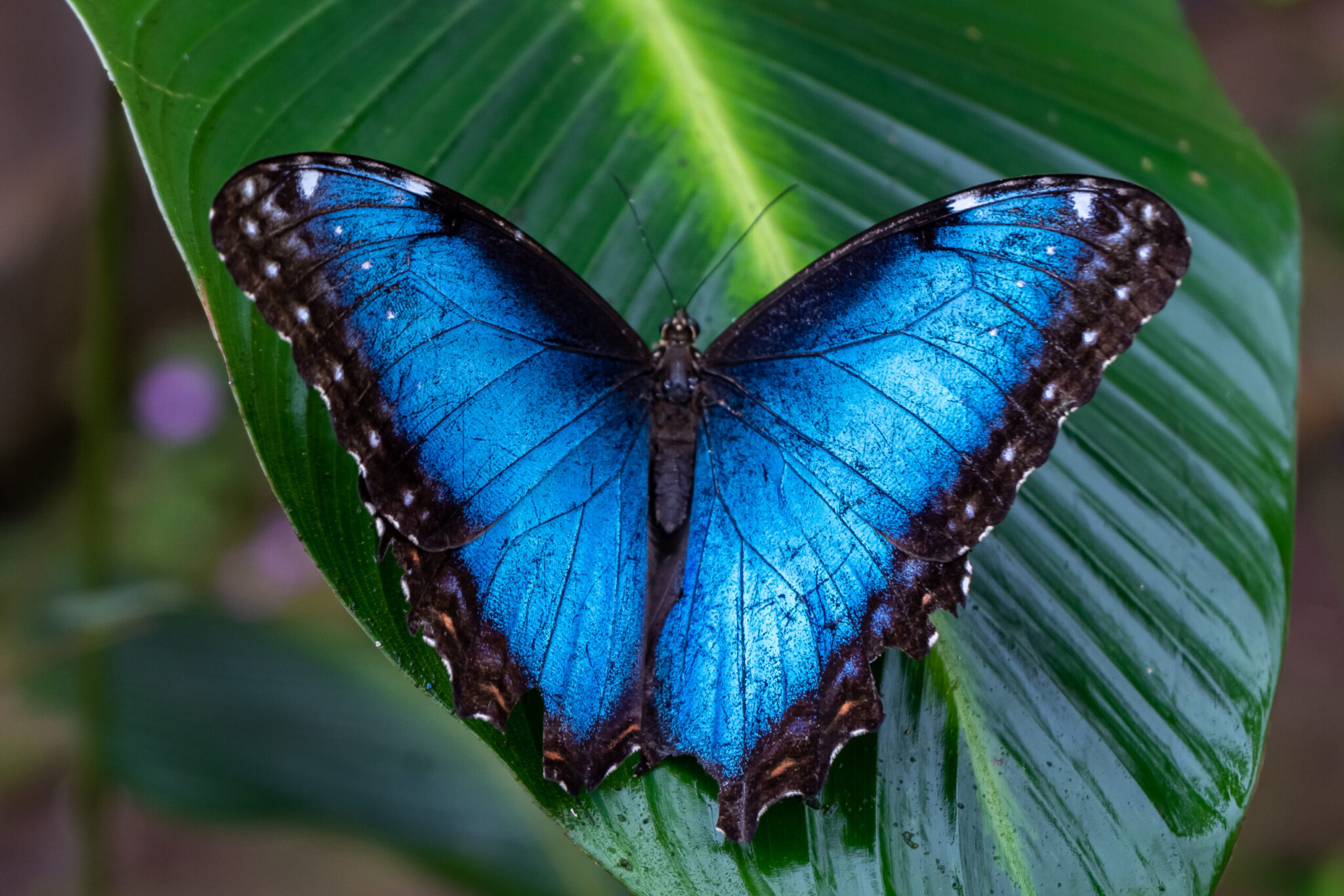
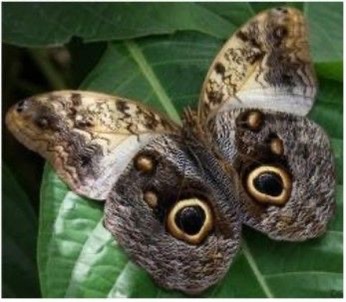
The iconic Blue Morphos are severely threatened, this is mainly by the deforestation of tropical forests and habitat fragmentation. Humans provide a direct threat to this spectacular creature because their beauty attracts artists and collectors from all over the globe who wish to capture and display them. Another propitiative butterfly species in Peru is the Giant Forest Owl Butterfly which is critically endangered – this is due to deforestation and unsuitable harvesting, several species of owl butterflies are considered endangered or extinct in the wild now. There are countless others facing the same fate and due to a lack of research and recording it is unknown exactly how many species are now lost or close to extinction in the wild.
Pilpintuwasi has permits to breed several species that are then released back into the wild. We also help educate tourists on not supporting the trade of butterflies used in tourist gift attractions and teach school groups and young members of the communities about the butterfly life cycle. A lot of people close to the center and across the Amazonas are unaware that the caterpillar is at the stage of becoming a butterfly, and often fear them to due the primitive looks they have eg hairs of spines – that maybe they can be poisonous or harmful. Though it is presumed 1 out of 20 butterflies have the ability to cause mild irritations or affect the human skin. We hope to educate people on their hidden secrets and that they are not dangerous as perceived, to not kill them but admire them instead.
A convincing disguise transforms the hawk moth caterpillar into a small snake to ward off potential predators. When facing a potential threat, the hawk moth caterpillar takes the form of a pit viper. Many caterpillars have an appearance to deter other animals from eating them, through transformations, hairs, coloring, or scents.

So through this post, it is hope that you see the importance of the work our Mariposarion does – that we serve as more than just a rescue center, and the work we do hopes to educate and re-wild. Many other butterfly farms are not sustainable in their practices, it is always okay to challenge people on what they do when it comes to wildlife – to research and understand the effects of purchasing butterflies ALIVE OR DEAD. To know where butterfly houses source their animals and if it helps the local environment.
Wishing all who read this well, love and light from Pilpintuwasi! <3